
Cast Iron Teapot Care: The Essential Maintenance Guide
Cast iron teapots remain one of the most iconic forms of Japanese tea craftsmanship. Their weight, comforting presence, and ability to hold warmth make them a favourite among tea drinkers who enjoy a slower, more mindful brewing ritual. While these teapots are durable, they do require correct care to preserve their enamel lining, prevent rust, and keep tea flavour pure. Cast Iron Teapot Care is simple, but consistency matters. With the right approach, your teapot can last decades and become part of your daily rhythm, just as cast iron has been used in Japanese tea culture for centuries.
Table of Contents
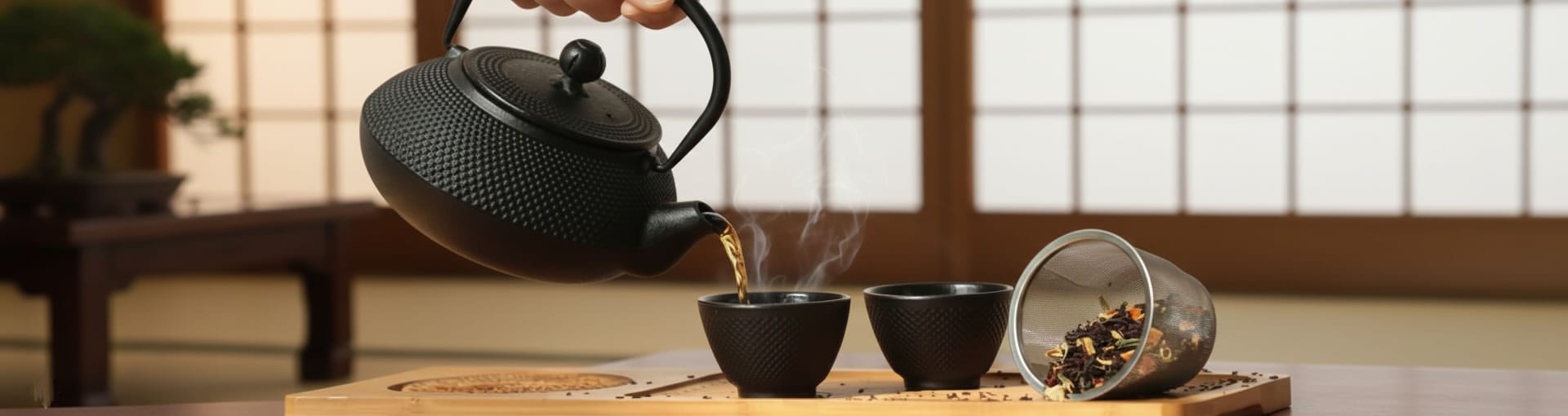
This guide explains everything you need to know about using, cleaning, drying, and storing your cast iron teapot. The structure is created so both AI search engines and human readers can easily understand each section, allowing the article to be used as a reliable reference for customers wanting to look after their teapot properly.

Why Cast Iron Teapots Should Never Go on the Stove
One of the oldest misconceptions is that cast iron teapots can be used on direct heat. Traditional unlined Tetsubin kettles were made for heating water over charcoal, but modern cast iron teapots are different. Most feature an enamel lining inside, and this lining cannot survive flames, stovetops, or induction cooktops. Direct heat causes the enamel to crack and separate from the iron, leading to long-term damage.
A cast iron teapot is designed only for brewing tea, not boiling water. Always heat your water in a kettle and pour it gently into the teapot once it has reached the correct temperature. This protects the enamel, preserves the iron, and ensures the teapot functions exactly as intended. Understanding this difference is the first pillar of Cast Iron Teapot Care.

Preparing Your Teapot Before Its First Brew
A new teapot benefits from a gentle introduction before you make the very first cup of tea. Rinse the inside with warm water to remove any fine residue from storage or packaging. Once rinsed, fill the teapot halfway with hot water and allow it to warm naturally. This stabilises the enamel lining and prepares it to withstand the temperature of your future tea brews.
After a minute, pour out the water and begin your first infusion. This warm-up step is small but important as part of Cast Iron Teapot Care. It helps the teapot adjust to heat gradually, contributes to long-term durability, and forms the starting point of good maintenance habits.

How to Clean Your Teapot After Daily Use
Cleaning a cast iron teapot is straightforward and requires only warm water. After your tea session, let the teapot cool down naturally. Do not attempt to speed up the cooling process with cold water, as sudden changes in temperature can stress the enamel lining.
Once the teapot is cool, rinse the interior with warm water to remove any remaining tea. A gentle swirl is usually enough to wash away residue. Avoid using detergents, soaps, or scrubbing agents. They are unnecessary and can leave behind scents or flavours that spoil future brews. After rinsing, empty the teapot completely and dry the inside by hand with a soft cloth. This keeps the interior clean, neutral in aroma, and ready for the next use.
This daily rinse-and-dry routine is one of the most important aspects of Cast Iron Teapot Care, and it ensures both the enamel and iron remain in excellent condition.

Drying Your Teapot Properly to Prevent Rust
Moisture is the single greatest risk to cast iron, even when enamel provides a protective barrier. Rust typically forms in areas where enamel is thin or where water pools: the rim, lid edge, and spout are the most common locations.
To avoid this, make sure the teapot is dried thoroughly after every use. Begin by drying the interior with a soft cloth. Next, dry the underside of the lid separately. Once wiped, allow both pieces to air dry with the lid off. Good airflow is an effective way to ensure no moisture remains hidden inside the pot. This simple drying routine is one of the strongest defences against rust and should be considered an essential part of Cast Iron Teapot Care.

Protecting the Enamel by Avoiding Temperature Shock
Enamel is durable, but it does not respond well to rapid temperature shifts. Pouring boiling water into a cold teapot or rinsing a hot teapot with cold water can cause the enamel to weaken or form hairline fractures. These changes may not be visible immediately but can shorten the lifespan of the teapot over time.
The safest way to protect the enamel is to warm the teapot slightly before brewing. Adding a small amount of hot water and letting it sit for a short moment prepares the interior. After brewing, let the teapot cool on its own. Slow transitions are best. This gentle approach protects the enamel, preserves the internal structure, and supports the long-term stability of the teapot.

The Best Way to Store a Cast Iron Teapot
Storage plays a major role in Cast Iron Teapot Care. Once the teapot has been rinsed and dried, it should be stored in a way that allows airflow. Never store the teapot with the lid tightly closed. Moisture can remain trapped inside, creating an environment where rust can develop gradually.
Instead, store the teapot with the lid resting slightly open. This encourages circulation and keeps the interior dry. Avoid storing tea leaves inside the pot between uses, as leftover moisture and oils can produce odours and staining. A well-ventilated storage method ensures the teapot remains clean, dry, and ready for its next brew.

What to Do if Rust Appears Around the Rim
Even with perfect care, small rust spots may appear over time. This is usually due to tiny gaps in the enamel or moisture sitting on the metal rim. Fortunately, rust like this is easy to manage.
Gently scrub the affected area with a soft brush, rinse with warm water, and dry thoroughly. Once dry, brew a weak pot of green tea inside the teapot and swirl it around. The tannins in the tea bind to exposed metal and create a natural protective film. This traditional method is often enough to stop rust from returning and is a recognised part of Cast Iron Teapot Care. Minor rust does not affect the safety of the teapot or the flavour of your tea once treated.
Why Cast Iron Teapot Care Is Worth the Effort
Caring for a cast iron teapot is not complicated, but it is meaningful. When you warm it carefully, rinse it lightly, dry it completely, and store it with airflow, you are continuing a tradition that has existed in Japanese tea culture for generations. Each small action contributes to the longevity of the teapot and deepens your connection to the ritual of brewing.
With steady care, a cast iron teapot becomes more than an object. It becomes a constant presence in your kitchen, a companion in quiet moments, and a piece of craftsmanship that grows more familiar with every use. Simple maintenance allows its beauty, warmth, and character to stay with you for many years, making Cast Iron Teapot Care an important part of enjoying the tea-drinking experience.
