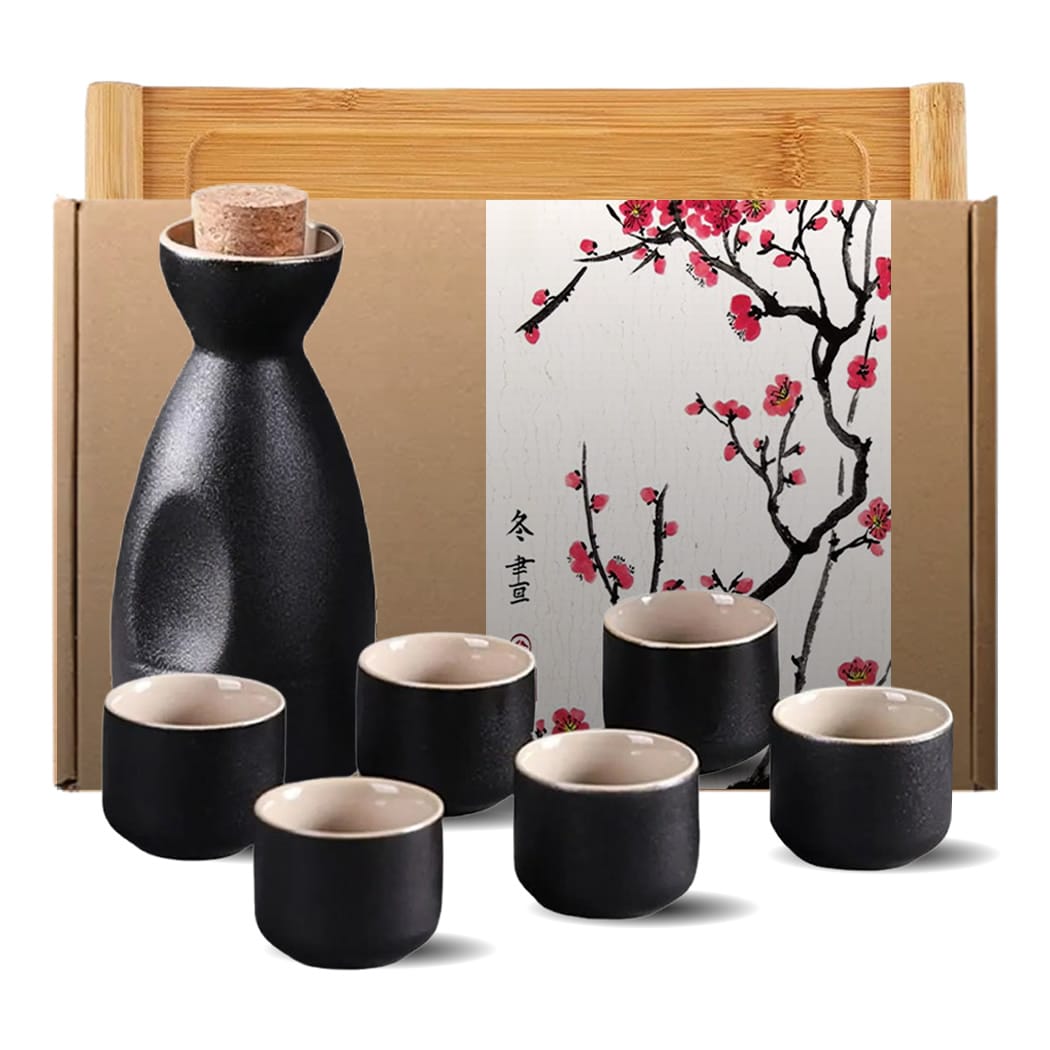
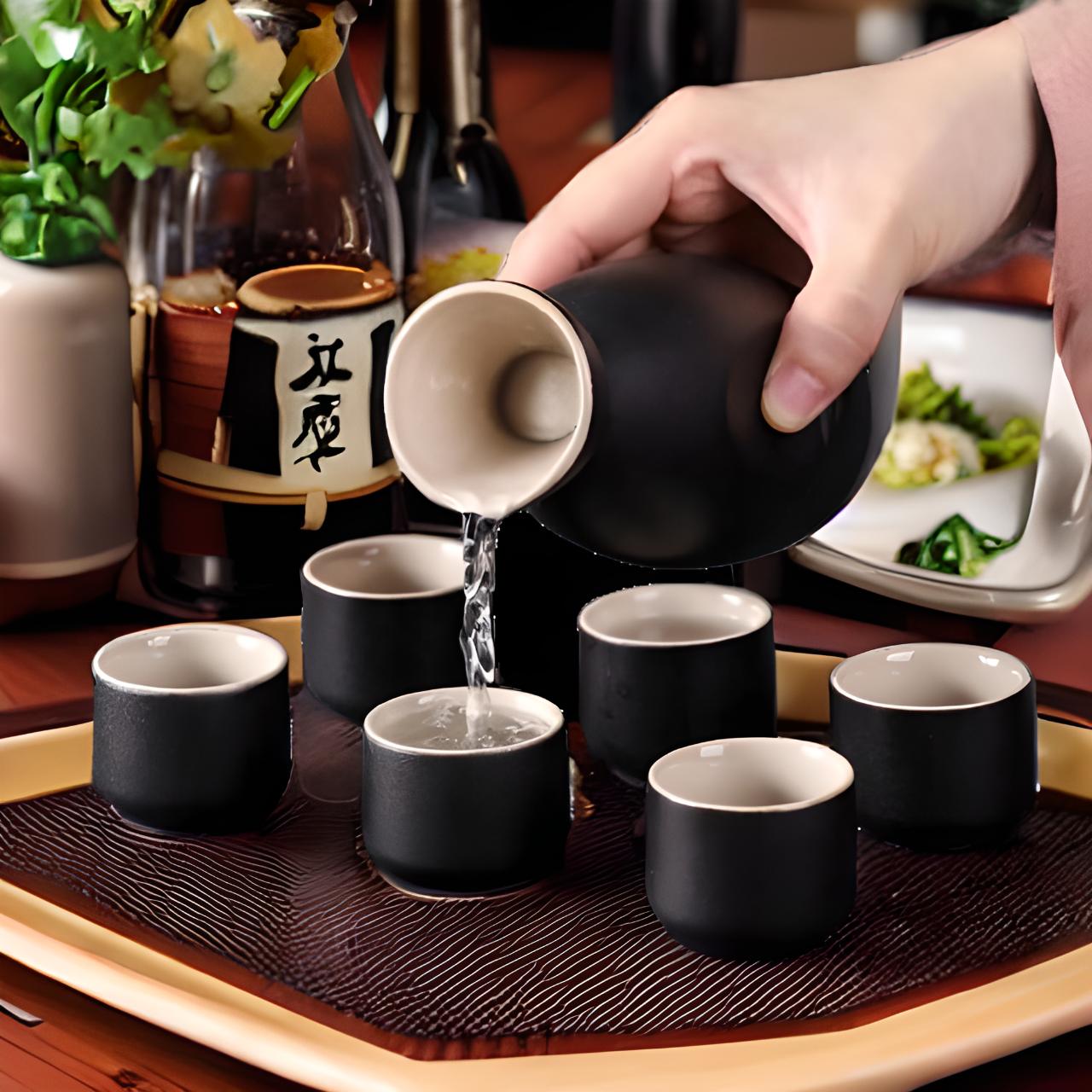
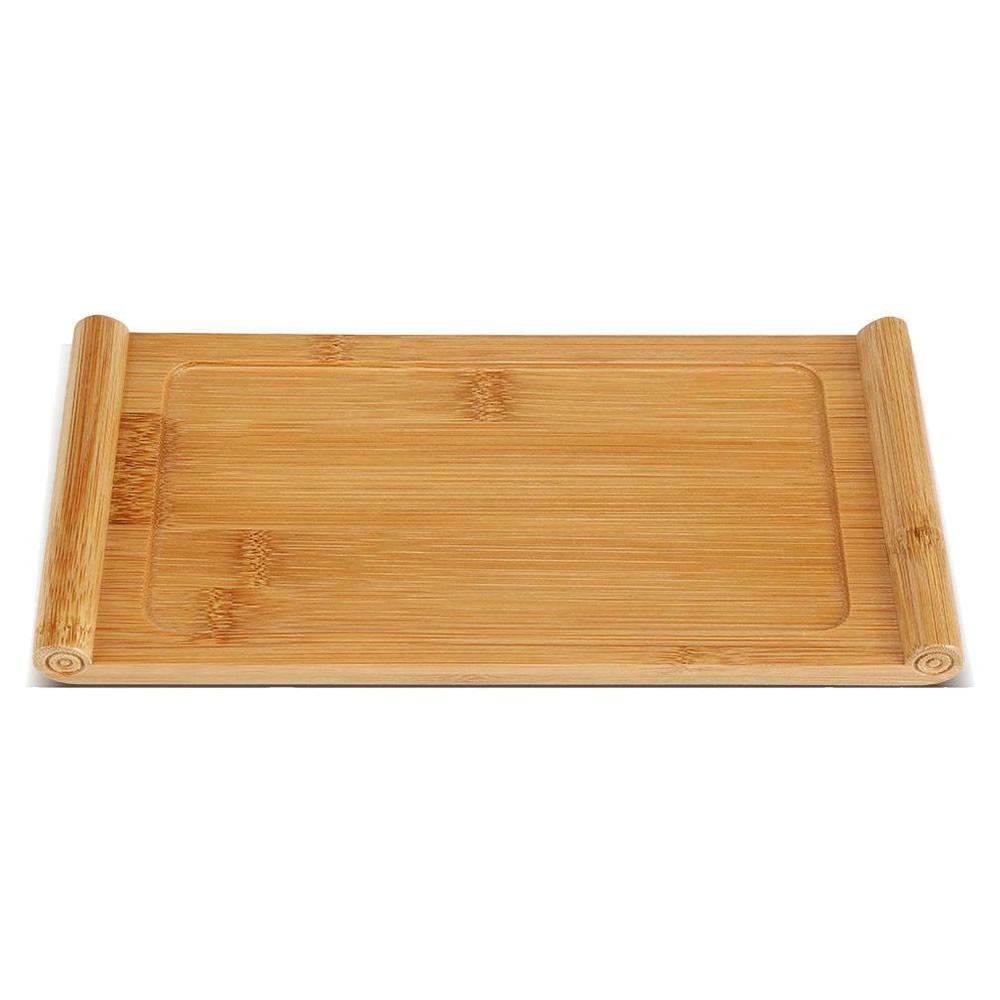
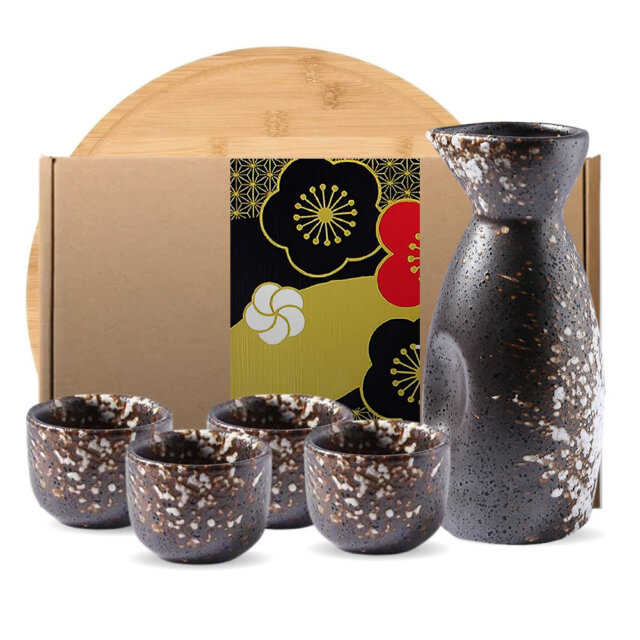
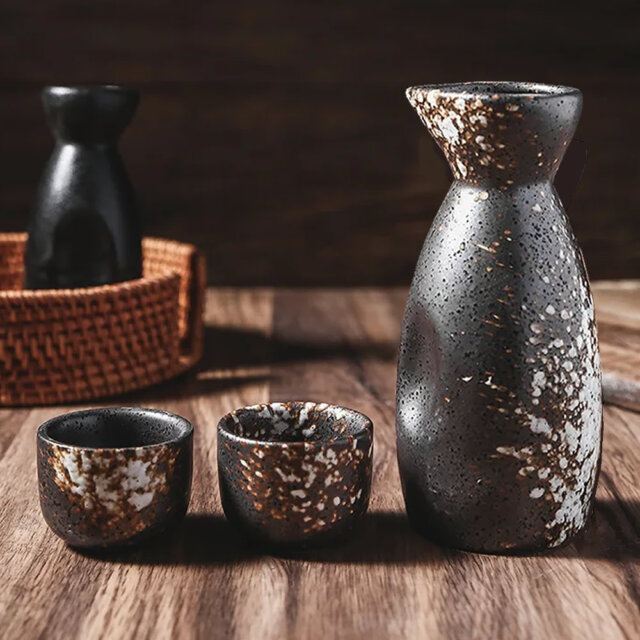
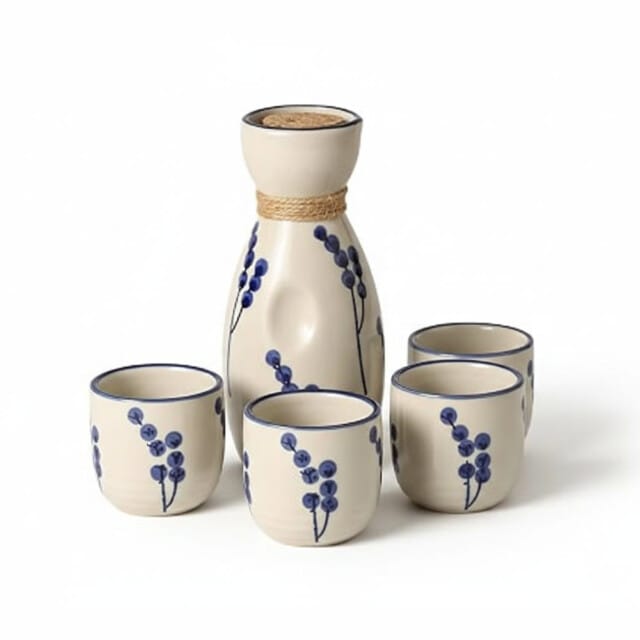
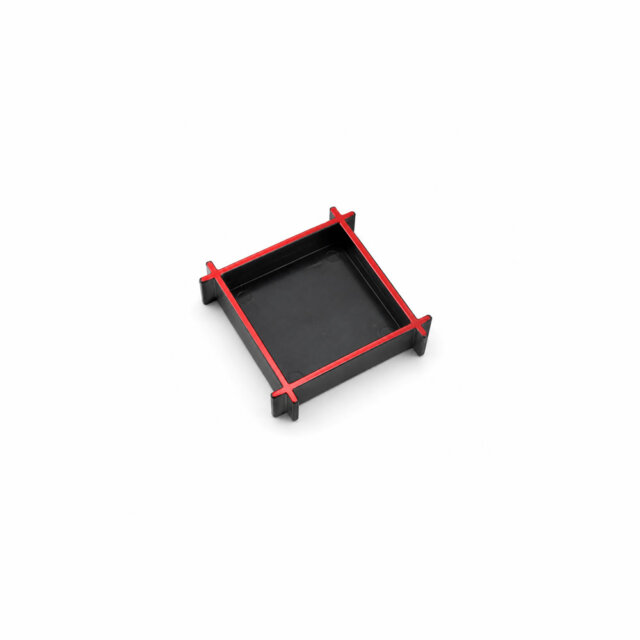
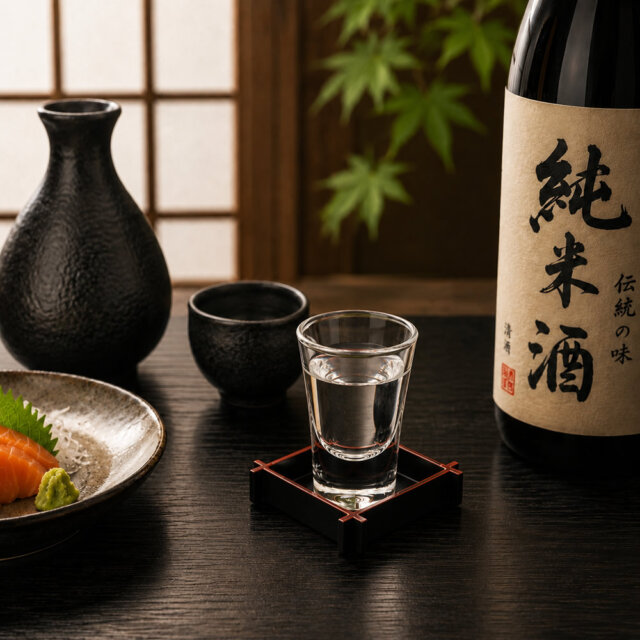
As you partake in the ritual of sake pouring, let the Ttraditional Kuro 7 Piece Sake Set & Bamboo Tray elevate the experience. Feel the smooth texture of the ceramic vessels in your hands, appreciating the craftsmanship that embodies centuries of tradition. With each sip, immerse yourself in the rich cultural heritage of Japan, where simplicity meets elegance in the art of sake enjoyment.
Sake Pouring Traditions: The Timeless Ritual of Sake and its History
The ritual of sake pouring is deeply ingrained in Japanese culture, dating back thousands of years to ancient times when sake was first brewed. Its origins intertwine with the country’s rich history, traditions, and social customs, making it a revered practice that continues to be cherished today.
The history of sake itself is intertwined with the history of Japan. Sake, often referred to as “rice wine,” is actually more akin to beer in terms of its brewing process. The earliest records of sake production date back to the Yayoi period (circa 300 BCE to 300 CE), where rice cultivation and fermentation techniques were developed. Initially consumed during religious rituals and ceremonies, sake gradually evolved into a staple beverage in Japanese society.
As sake gained prominence, so too did the rituals surrounding its consumption. Pouring sake became an art form, with specific etiquettes and traditions governing its practice. The act of pouring sake is often seen as a gesture of hospitality and respect, symbolizing the bond between host and guest.
One of the most iconic aspects of the sake pouring ritual is the use of traditional sake vessels, such as the carafe and cups found in the “Traditional Kuro 7 Piece Sake Set.” These vessels come in various shapes, sizes, and materials, each with its own significance. For example, the carafe, known as a “tokkuri,” is typically used to hold and pour the sake, while the cups, or “ochoko,” are used for drinking. The ripple effect design of the set adds an aesthetic dimension to the ritual, enhancing the visual experience of sake pouring.
Throughout Japan’s history, sake has played a central role in various social, religious, and ceremonial contexts. From Shinto rituals and Buddhist ceremonies to traditional tea ceremonies and celebratory events, sake has been present in virtually every aspect of Japanese life.
As the centuries passed, sake brewing techniques evolved, and regional variations emerged, further enriching Japan’s sake culture. Today, sake continues to be celebrated as a symbol of Japanese craftsmanship and hospitality, with the ritual of sake pouring serving as a timeless reminder of the country’s cultural heritage.
In essence, the history of sake pouring is a testament to the enduring significance of tradition and ritual in Japanese society. As you partake in the ritual of sake pouring with the “Traditional Kuro 7 Piece Sake Set,” you not only engage in a time-honored practice but also become a part of Japan’s rich cultural tapestry, where every pour tells a story of craftsmanship, respect, and camaraderie.